Blog
Guides on putting backgrounds to work: CSS, performance, contrast and licensing.
Free to download does not always mean free to use anywhere. Here is what the usual license terms mean in practice, and how the license on this site works.

A little noise can fix a problem a smooth gradient creates on its own. Here is why banding happens and how to add grain without a heavy file.

A background is part of the brand voice. Picked well, it sets tone before anyone reads a word. Picked badly, it argues with the logo and the copy.

A texture behind a product photo has to support the object, not compete with it. Here is how to pick one and keep a whole catalog consistent.

Text over a photo has to pass the same contrast rules as text on a flat color. The hard part is that an image has many colors. Here is how to handle that.

A pixel count means one thing on a screen and another on paper. Here is how to read file dimensions for both, without guessing.

A large hero background is often the Largest Contentful Paint element. Here is how to get it on screen fast without giving up the design.

A repeating pattern can be a vector, a few lines of CSS, or a photographed texture. Here is how to pick the right one and avoid the common mistakes.

A tileable texture repeats without visible edges. Here is how to check a tile, fix its seams with the offset method, and keep the repetition from showing.

background-attachment: fixed looks simple and behaves inconsistently on phones. Here is what the property actually does, where it tends to fail, and a steadier way to build a parallax effect.

Eight properties control how a background image renders. Learn what each one does, which defaults apply, and where the shorthand quietly resets your values.

A background that looks right on a wide desktop can crop out the subject on a phone. Media queries, image-set() and the picture element each solve a different part of the problem.

A background that works on a light page can turn harsh or washed out the moment the page switches to dark. prefers-color-scheme gives CSS a hook to adapt the image instead of fighting it.

A gradient is drawn by the browser and never costs a network request. A photo or texture carries detail no gradient can fake. Knowing which job needs which keeps a page fast and still interesting.
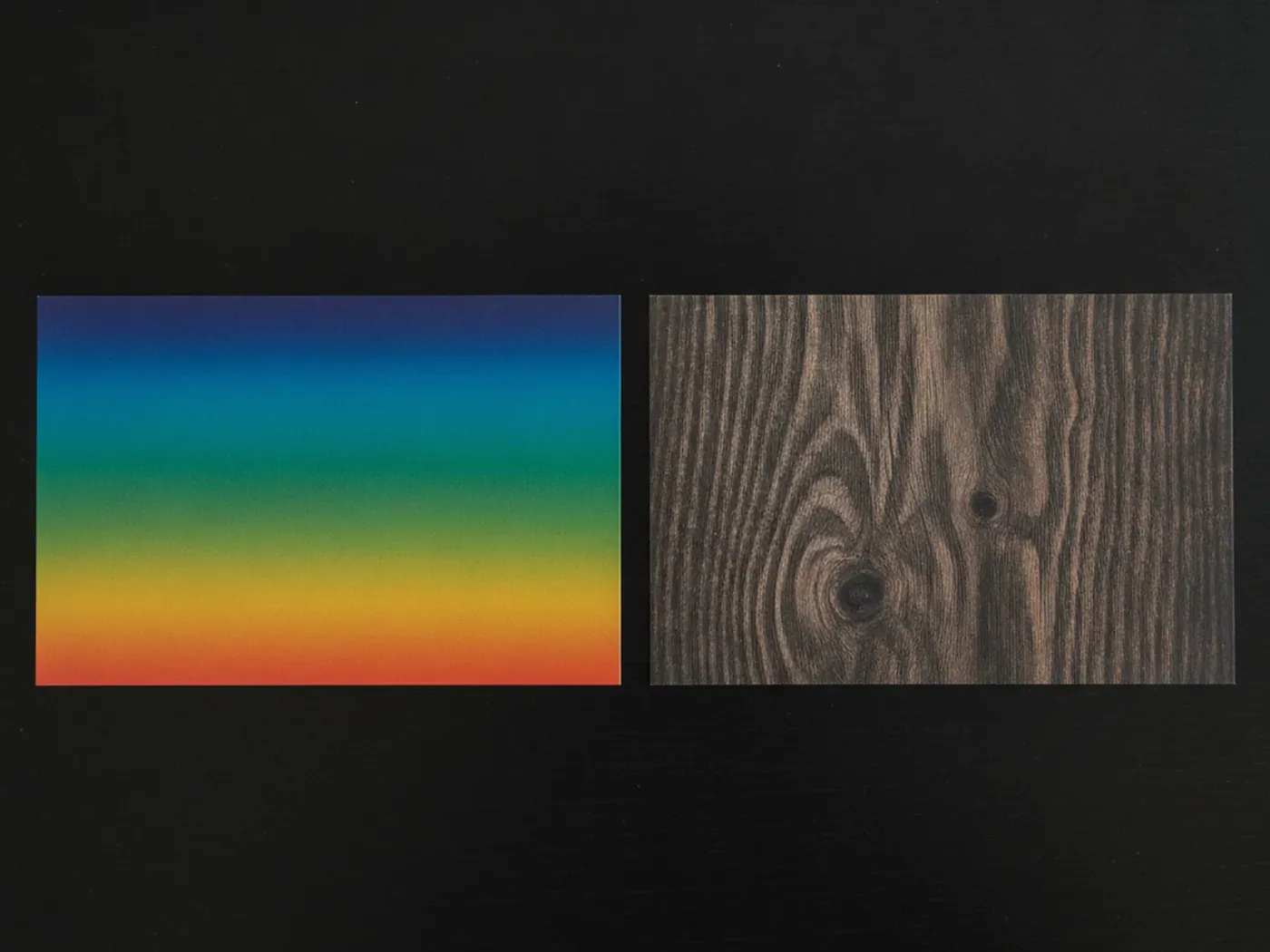
Two CSS properties share the words blend mode, and they sound like one feature. They mix completely different things, and mixing them up explains most of the odd results.

Backgrounds moved from a single HTML attribute to a full set of CSS tools. Here is how that happened, in the order the pieces arrived.