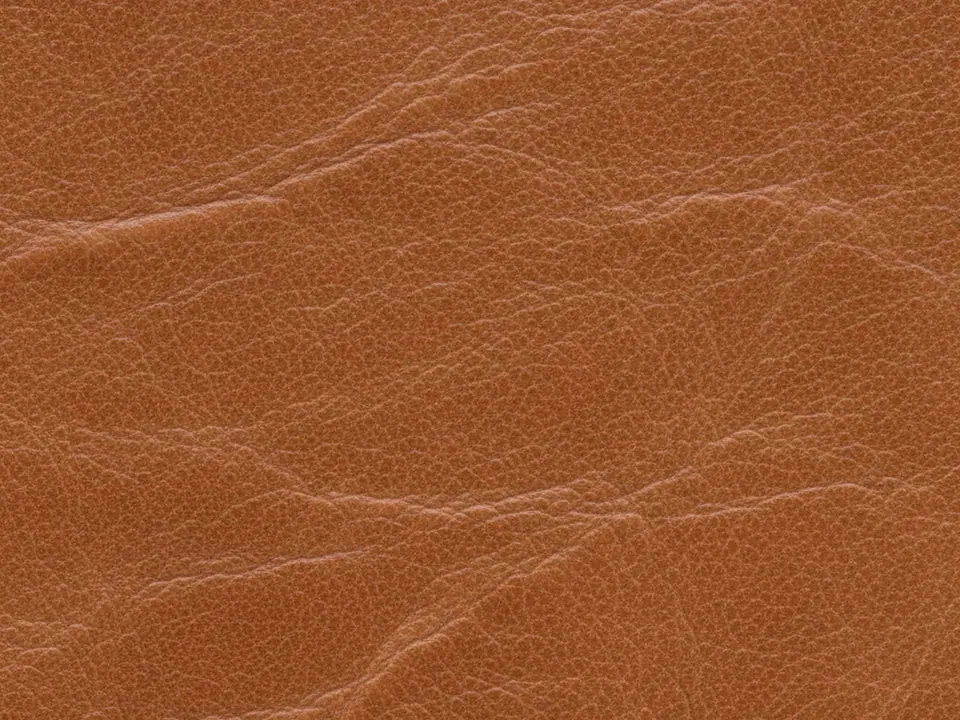
What is in the set
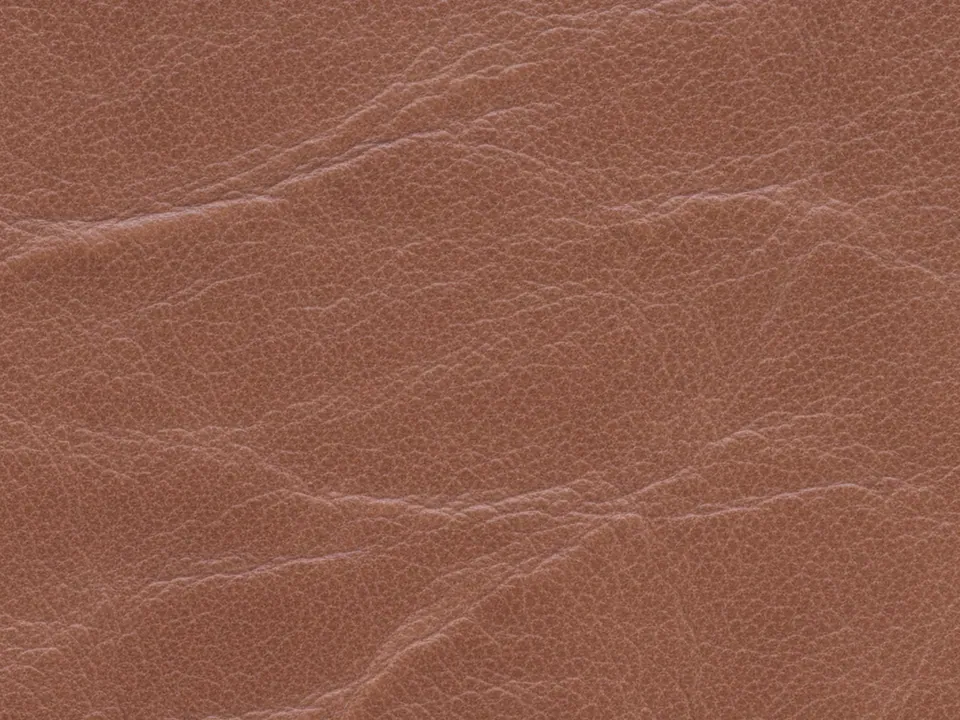
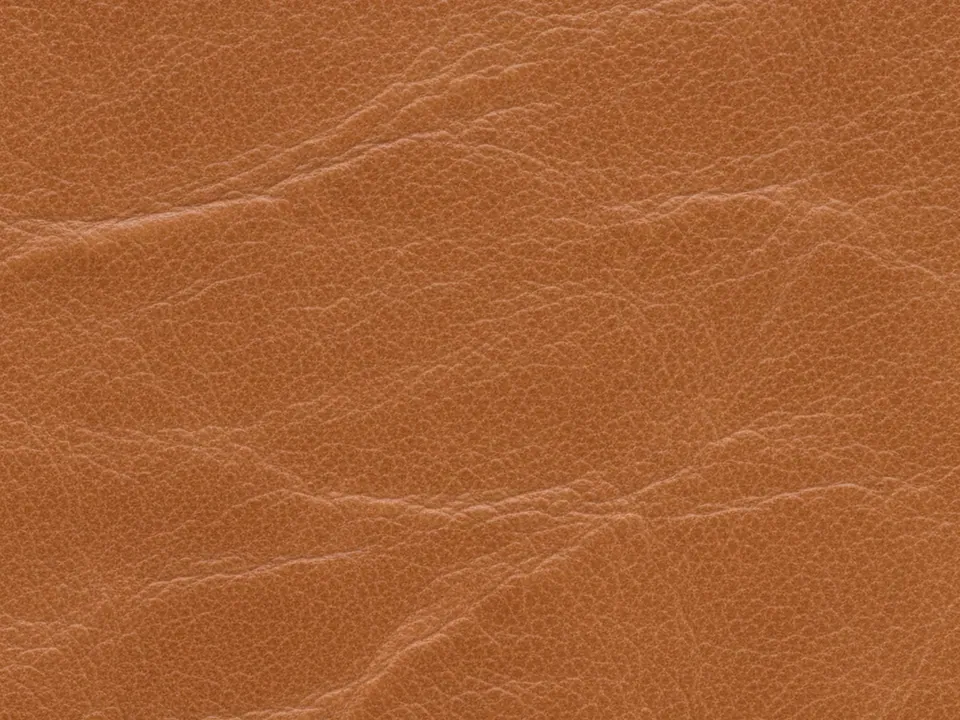
The set has three JPG files at 1600x1200 px, each a macro, flat photo of soft brown full grain leather. Natural pores and gentle wrinkles spread across the hide, and the soft, even lighting keeps the whole surface readable without a hot spot or shadow pulling the eye.
The variants are named Original, Warm and Cool. Original holds a classic saddle brown, Warm pushes toward a richer, reddish tan, and Cool mutes the tone toward a greyer, more worn brown. Each keeps the same pore and wrinkle detail, so the choice comes down to color rather than texture.
The grain is tight and continuous, unlike the open fibers of denim fabric texture, which makes leather suit smaller crops as well as full section backdrops. Even a tight crop still reads clearly as leather rather than as an abstract pattern.
Where it works
Leather reads as crafted, durable and a little premium. It fits:
- Menswear, belts and leather accessory stores
- Saddlery, tanneries and leather craft portfolios
- Whiskey, cigar and other heritage brand pages
- Journal, notebook and book cover style layouts
It sits in background textures, alongside the other fabric and surface sets on the site.
How to use it in CSS
A flat leather photo can look slightly artificial as a full page background. Layering a soft radial gradient over the image adds a gentle vignette, closer to how light actually falls on a hide.
.heritage-card {
  background-color: #6b4226;
  background-image:
    radial-gradient(circle at center, transparent 55%, rgba(0,0,0,0.3) 100%),
    url("leather-warm.jpg");
  background-size: cover;
  background-position: center;
  border-radius: 8px;
}
The gradient darkens only the edges, keeping the center lighter where product text or a logo usually sits. For a broader comparison of gradients against photo textures, see CSS gradients vs image backgrounds.